The Town Mascot Has a Job Title: Notes on Japan's Yuru-Chara Bureaucracy and the 2026 Debut Class
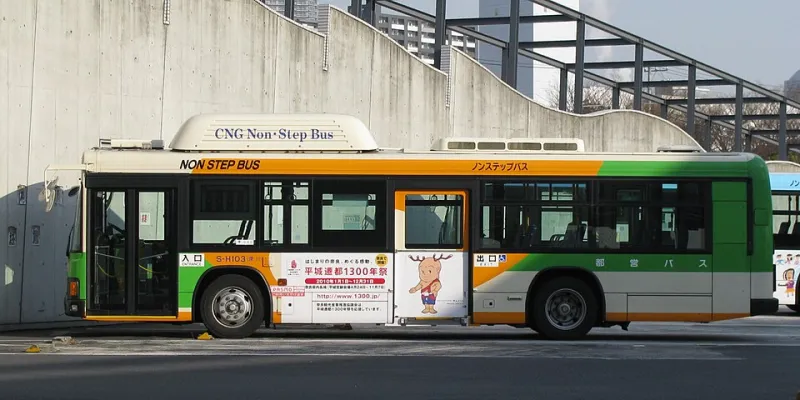
Photo: Uploader; Vantey, CC BY 3.0, via Wikimedia Commons
Every town in Japan, it seems, has a mascot. Not a team mascot, not a cereal mascot — a municipal one. It has a name, a hometown, a slightly worrying proportion problem, and, crucially, a job title. Not a vibe. A title. Sometimes printed on a certificate.
The closest thing the US has is a tourism bureau logo that occasionally appears at a 5K. Japan went a different direction, and honestly, the different direction is more fun. So here is the notebook version: how the mascot civil service works, why the job titles matter, and which members of the 2026 debut class deserve a spot in your group chat.
A Mascot With a Business Card
The thing to understand is that yuru-chara — the loose, soft, slightly shambolic style of local mascot — are not mascots in the sports sense. They are public-facing staff. A town appoints one, gives it a role, and sends it to events. The role is usually something like tourism ambassador, but it can be narrower and much funnier: a specific product, a specific campaign, a specific civic annoyance they would like you to stop doing.
The job title is the whole charm of the format. Anyone can design a cute bear. It takes a certain institutional confidence to hand that bear the title of Deputy Manager of Something and put it in a press release.
How the Job Titles Actually Work, Lightly
There is no single national mascot HR department. Local governments, chambers of commerce, tourism associations, and occasionally a very motivated neighborhood group do the appointing. That means the titles are homemade, which is why they range from dignified to unhinged.
A mascot typically gets a name, a hometown, a personality sketch, and a stated mission. Some get official appointment ceremonies with a person in a suit handing over a letter. Past years have given us mascots tied to tax filing season, road safety campaigns, recycling drives, and hot spring etiquette, because nothing improves civic behavior like a plush creature with a clipboard.
There was also the long-running Yuru-chara Grand Prix, a nationwide popularity contest that ran for about a decade and turned the whole scene into a spectator sport before it wrapped up. That era is history now, but it left behind a useful habit: people pay attention to who is new, and they argue about it online like it is a draft pick.
The 2026 Debut Class, Ranked by Job Description
This is not a scientific ranking. This is a notebook ranking, which means it is based on how loudly I laughed and how long I stared at the design.
6. The Rice Cracker Liaison. A mascot from a snack-producing region whose official title translates roughly to Assistant Manager of Cracker Diplomacy. The design is a sturdy little rectangle with arms. The job is, as far as I can tell, appearing at snack events and looking proud. Respect.
5. The Recycling Morale Officer. A cheerful creature whose stated mission is encouraging correct sorting of burnable and nonburnable trash. The mascot carries a tiny bin. The tiny bin is empty. The tiny bin is a metaphor. Ten out of ten for commitment to a bit nobody asked for.
4. The Hot Spring Etiquette Deputy. Tasked with reminding visitors to wash before entering and to keep their voices down. The design is a towel with legs. The towel has a face. I think about this daily.
3. The Tax Office Penguin. A penguin in a little vest, appointed to make filing season less intimidating. Honestly, this is the most useful mascot on the list. A penguin explaining deductions is more reassuring than any website.
2. The Corn Ambassador. A region known for corn appointed a mascot whose entire identity is corn, and whose job description includes the phrase promoting corn-related tourism. No notes. This is what peak performance looks like.
1. The Director of Standing Near Things. My personal favorite: a mascot whose official role is essentially to be present at the entrance of a facility and greet people. No campaign. No product. Just standing there, professionally, with a title. It is the most honest job in local government and I would like it to have a statue.
What Makes One Work
Here is the thing US readers tend to miss: the good ones are not cute. They are specific. A mascot that could belong to any town in any country is wallpaper. A mascot that is unmistakably about one place — one crop, one festival, one local grudge about garbage sorting — is the one people actually love.
The second rule: a little wrong is better than perfect. The slightly off-center eyes, the too-long arms, the expression that suggests it has seen a spreadsheet. Yuru-chara means loose character, and looseness is the point.
How to Follow Along From the US
You do not need to live in Japan to enjoy this. Pick three towns at random, search the town name plus mascot, and you will usually find a city hall page with a profile, a greeting, and a photo of the mascot doing something mundane like visiting a library. That is the content. That is the whole reward.
If you want a starting point, look at regional food mascots and transit mascots. Food mascots have the clearest job titles, and transit mascots have the best uniforms. Watch for the appointment announcements, because the ceremony photos are always a person in formalwear standing next to a creature that is roughly the same height and much rounder.
Closing Note
We treat mascots as decoration in the US, something you slap on a flyer. Japan treats them as staff. The result is a parallel civil service made of foam and fabric, where a penguin can help you with your taxes and a towel with legs can tell you to be quieter at the hot spring.
It is silly. It is also, weirdly, a pretty good model. Give a character a real job, and people will remember the town. Give it a job title, and they will remember the title for years.