Grid Lines and Guilt: Confessions From the Notebook Aisle at Loft
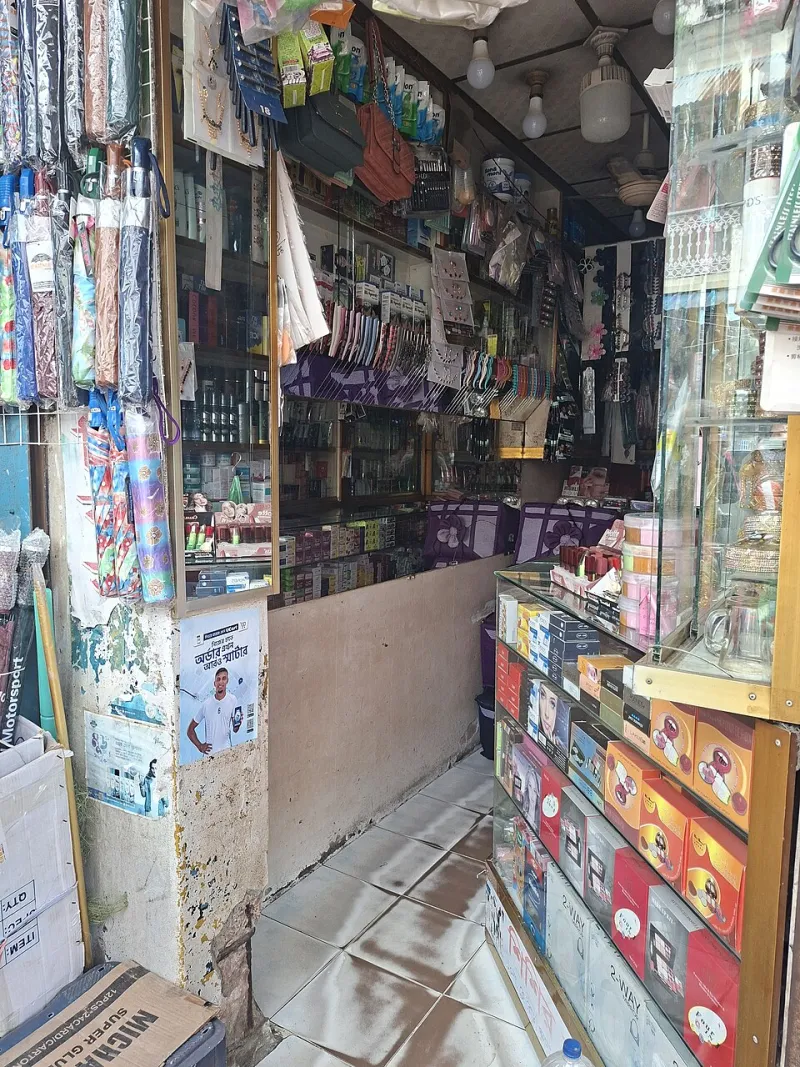
Photo: TanvirSdq, CC BY-SA 4.0, via Wikimedia Commons
I have a shelf at home with eleven empty notebooks on it. I know the number because I counted, which is exactly the kind of thing a person does instead of admitting they have a problem. Last week I went into Loft telling myself I was buying a gift for somebody else. I came out with a B5 grid notebook, a four-color pen refill, and a vague sense that I had been personally examined and found wanting by a display of stationery.
This is not a new story. It happens every time I set foot in the notebook aisle, and it happens to roughly everyone I know who has ever walked past a wall of paper in Japan. So let's talk about it.
The Forty-Minute Problem
Here's the sequence, every single time. I grab a notebook because it looks right — matte cover, clean spine, that faintly serious typeface they put on Japanese paper goods. Then I flip it open and the questions start, and there are more of them than there are for a mortgage.
Is this 5mm grid or 6mm? A5 or B5? Ruled A or ruled B, which in Japan refers to line spacing, not line presence, a distinction that took me an embarrassing number of years to learn. How many pages? Is the paper cream or white? Does it lie flat? Will my fountain pen bleed through, and if it does, whose fault is that, mine or the paper's?
By minute twenty I'm holding two nearly identical notebooks and comparing page counts like a man shopping for a used car. By minute thirty I've put both back and started over at the left end of the shelf. By minute forty I buy something, usually the third option, usually not what I came for, and always with the feeling that I've misrepresented myself.
A Field Guide to Japanese Paper, Kept Deliberately Incomplete
The rabbit hole is real, and it goes down further than most US readers expect. Kokuyo's Campus line is the sensible one — the notebook you buy in a three-pack like socks. Midori's MD paper is cream and slow and feels like it wants you to take your time. Apica is the cheap workhorse that costs less than a coffee and behaves better than paper three times its price. Mnemosyne is for people who take meetings. Life and Tsubame exist for people with opinions about ink absorption.
Then there are the grids. Japanese notebooks lean hard on 方眼 — hōgan, the square grid — and the grid size is a personality statement whether you want it to be or not. A 5mm grid says you intend to write inside the lines. A 3mm grid says you intend to write things that fit that small, which is either very confident or a lie. A blank page says something else entirely: I don't need structure. Nobody who buys a blank notebook needs that much structure. We buy blank notebooks to flatter ourselves.
The Rituals Nobody Teaches You
The test-pen station is where the real damage happens. Every decent Japanese stationery shop leaves a little tray of pens by the notebooks, and every single one of them has been used by forty strangers before you. You draw a line. You write your own name. You write the word test in three different inks. You flip the page and test the back to see if anything bled through, and it did, and now you're factoring ink behavior into a decision about your life.
Then the clerk wraps it. Even a single notebook gets the paper bag and the little sticker and the receipt folded with a precision that suggests your purchase mattered. I once bought a 300-yen notebook in a neighborhood bunbougu shop in a shopping arcade and the owner wrapped it like a gift. Try coming home from that without taking yourself a bit more seriously.
Why the Ten-Dollar Trap Keeps Working
Here's the part US readers will recognize. You order three of these online, pay shipping, and it comes to about the price of a nice sandwich each. Fine. Cheap. Sensible. Then you buy a cover for it, because the cover is what stops the edges from going soft in your bag. Then a second cover because the first one doesn't fit the B5. Then a bookmark, then a pen that matches. Suddenly your ten-dollar notebook is a thirty-dollar system and you're browsing a site that sells index tabs at midnight.
The reason it keeps working isn't the paper. It's that a Japanese notebook is unusually good at implying a version of you that has their life together. The grid is a promise. The page count is a runway. The whole object is a small, cheap, plausible future, and unlike gym memberships, it costs less than lunch and fits in a bag.
What the Shelf at Home Actually Says
The eleven empty notebooks are not a failure exactly. They're a record of eleven separate afternoons when I thought this time I'll use one notebook for everything instead of five for nothing. One of them, the slim 30-page one, has a single grocery list in it from last March. Another has a page of notes on train station architecture and then nothing.
The honest answer is that Japanese notebook culture doesn't reward the perfect choice. It rewards the one you'll actually open. The shop assistants know this. The paper knows this. It's only the guy standing in aisle for forty minutes who hasn't figured it out yet.
So this time I'm going to write in the one I bought. Probably. The grid is 5mm, the page count is 96, and the paper is a little too nice for a grocery list, which I'm choosing to treat as a challenge rather than a warning.